

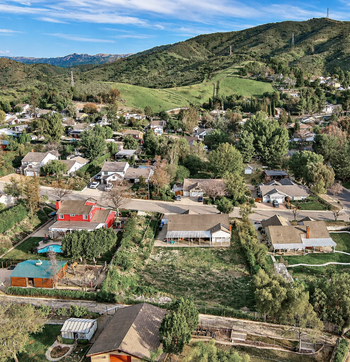
Buying a home in Simi Valley usually starts with a listing price. It shouldn't end there. The price you see on an app is the first number in a buyer's math, not the last one. Your mortgage rate, property taxes, homeowners insurance, any HOA dues, and the ordinary upkeep of a house all help determine whether a home truly fits your budget. None of that is meant to scare you. It's meant to make the complicated parts visible early, so you can handle them calmly and make informed decisions. Here's how I walk buyers through it.
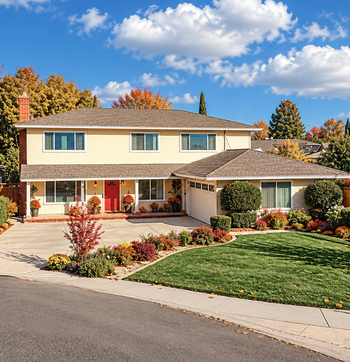
Deciding to sell a home you've lived in for years is a big decision. The market data shouldn't make it harder. Selling a home in Simi Valley this fall isn't a simple "good time" or "bad time" question. The latest numbers point to something more useful than a label. Buyers are still buying. They just have more time to compare, and that makes your pricing and preparation easier to see, for better or for worse. Here's what September's numbers show, what they mean for you as a seller, and how I'd prepare a Simi Valley home for this market.
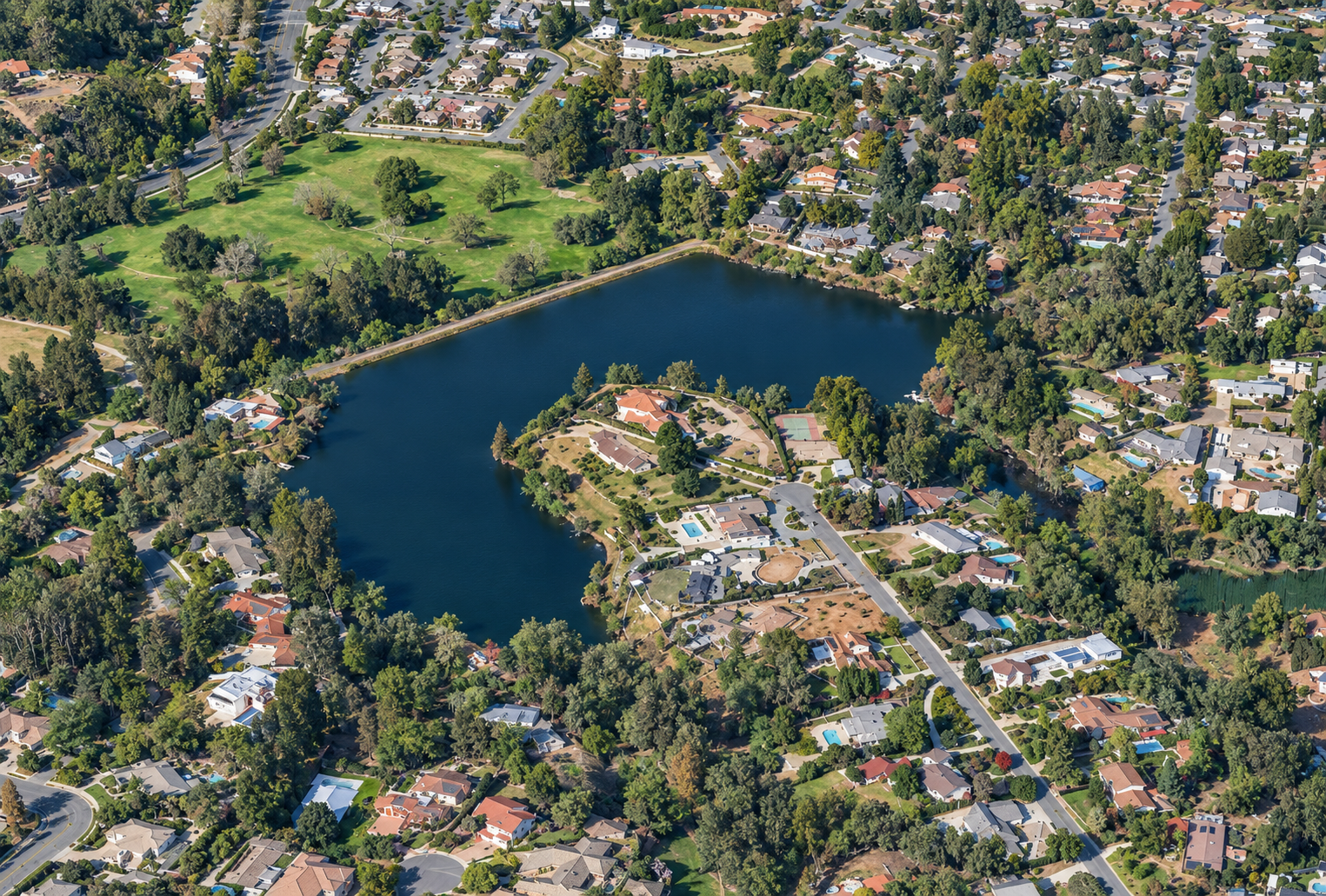
Discover the story of Sinaloa Lake in Simi Valley, from its 1920s citrus ranch roots to its modern private community and fishing sanctuary. Read more!

Mortgage rates eased after five weeks of increases. Learn what the shift could mean for homebuyers and sellers in Simi Valley, Moorpark, Thousand Oaks, and Ventura County.
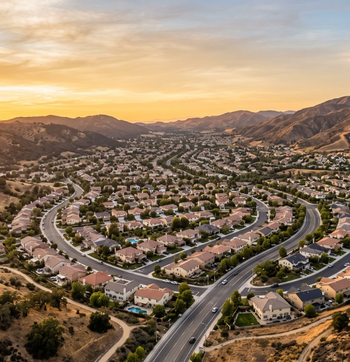
Moving to Simi Valley? A 20-year local Realtor on neighborhoods, commutes, home styles, and what buyers misunderstand about price. Start your relocation plan.
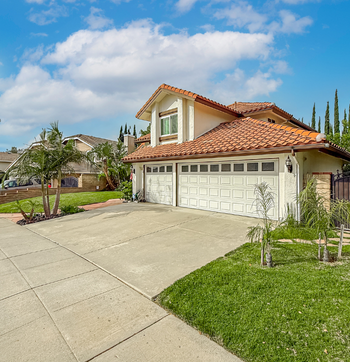
Should you sell your Simi Valley home before fall? An honest local guide to prep, pricing, timing, and launch — request your preparation plan from Debbie Gates.
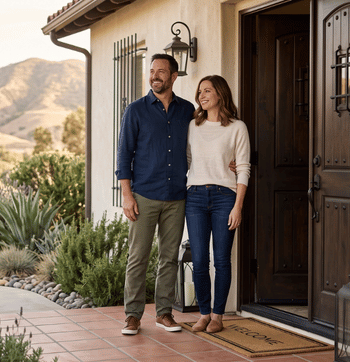
Everything a first-time home buyer in Simi Valley needs for 2026 — costs, preapproval, inspections, and honest local advice. Book your 15-minute first step.
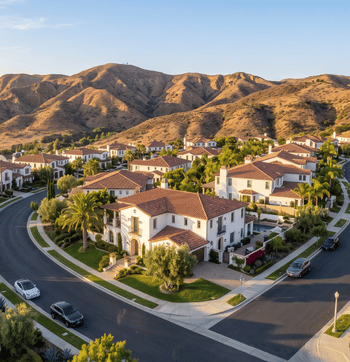
What Simi Valley's July 2026 market really means for sellers and buyers — days on market, sales volume, and Debbie Gates' local read. Get a home-specific review.
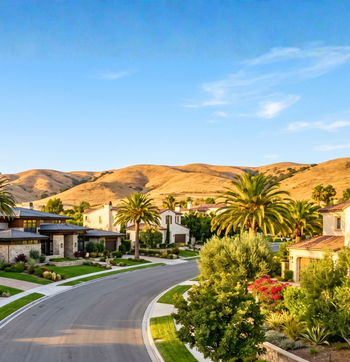
Inside Long Canyon Estates, one of Simi Valley's most established neighborhoods. Master-planned, custom homes, $1M to $1.6M. Call (805) 428-1100.

Your local guide to Father's Day weekend in Simi Valley. Music in the Park, KoC Chili Cook-Off, Channel Islands Car Show, and quiet trails. (805) 428-1100.
Buying a home in Simi Valley usually starts with a listing price. It shouldn't end there. The price you see on an app is the first number in a buyer's math, not the last one. Your mortgage rate, property taxes, homeowners insurance, any HOA dues, and the ordinary upkeep of a house all help determine whether a home truly fits your budget. None of that is meant to scare you. It's meant to make the complicated parts visible early, so you can handle them calmly and make informed decisions. Here's how I walk buyers through it.
Deciding to sell a home you've lived in for years is a big decision. The market data shouldn't make it harder. Selling a home in Simi Valley this fall isn't a simple "good time" or "bad time" question. The latest numbers point to something more useful than a label. Buyers are still buying. They just have more time to compare, and that makes your pricing and preparation easier to see, for better or for worse. Here's what September's numbers show, what they mean for you as a seller, and how I'd prepare a Simi Valley home for this market.
Discover the story of Sinaloa Lake in Simi Valley, from its 1920s citrus ranch roots to its modern private community and fishing sanctuary. Read more!
Mortgage rates eased after five weeks of increases. Learn what the shift could mean for homebuyers and sellers in Simi Valley, Moorpark, Thousand Oaks, and Ventura County.
Moving to Simi Valley? A 20-year local Realtor on neighborhoods, commutes, home styles, and what buyers misunderstand about price. Start your relocation plan.
Should you sell your Simi Valley home before fall? An honest local guide to prep, pricing, timing, and launch — request your preparation plan from Debbie Gates.
Everything a first-time home buyer in Simi Valley needs for 2026 — costs, preapproval, inspections, and honest local advice. Book your 15-minute first step.
What Simi Valley's July 2026 market really means for sellers and buyers — days on market, sales volume, and Debbie Gates' local read. Get a home-specific review.
Inside Long Canyon Estates, one of Simi Valley's most established neighborhoods. Master-planned, custom homes, $1M to $1.6M. Call (805) 428-1100.
Your local guide to Father's Day weekend in Simi Valley. Music in the Park, KoC Chili Cook-Off, Channel Islands Car Show, and quiet trails. (805) 428-1100.